
Sub-Total: £0.00
Choosing an Air Gun Pistol in 2026: Performance Benchmarks, Pitfalls & Running Costs
Pick up almost any air pistol box in a gun shop, and you will spot a massive velocity figure stamped across the front.Manufacturers love plastering “Up to 450 FPS!” in bold print because it grabs your attention. It is also one of the most misleading figures in the sport.
Velocity on its own tells you very little about how a gun behaves once you take it out of the packaging. A featherweight steel BB leaving the muzzle at high speed will happily punch clean holes through an empty baked bean tin at six yards.Step back to twelve yards with a card target, though, and you will quickly discover that keeping those shots inside a two-inch circle is pure guesswork.
Finding the right air gun pistol means ignoring the marketing noise and understanding how projectile weight, valve mechanics, and running costs influence your shooting.
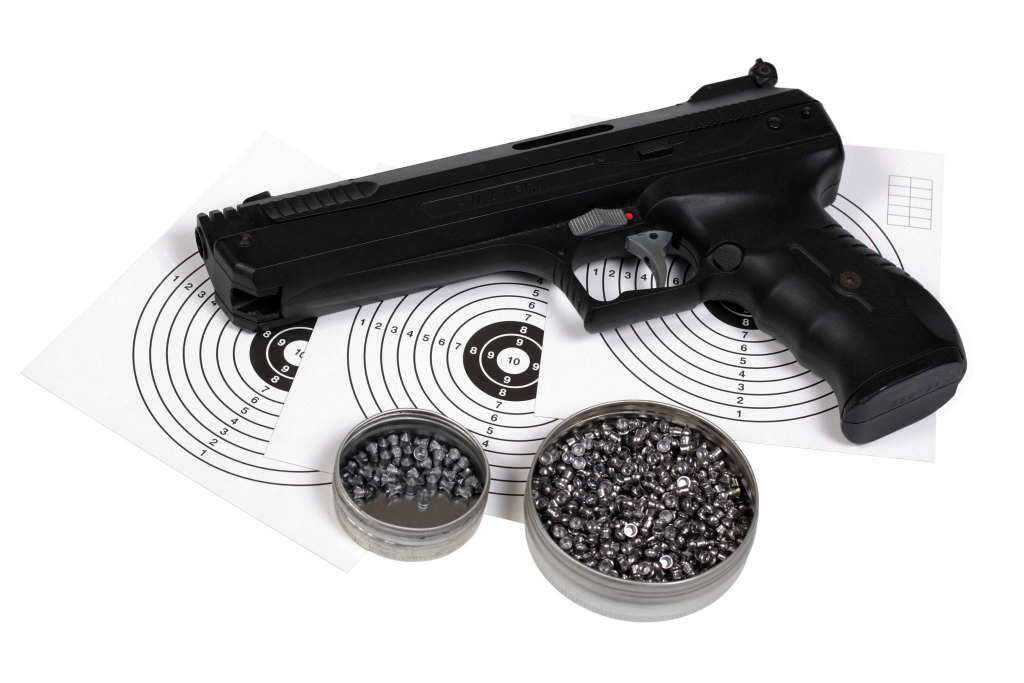
Benchmarking Air Gun Pistol Power: Why Velocity Does Not Equal Energy
New shooters often assume that higher feet-per-second numbers automatically mean more power. In ballistics, velocity is only one half of the equation; you cannot calculate real muzzle energy without factoring in the physical mass of your ammunition.
A standard 4.5mm zinc-coated steel BB weighs roughly 5.2 grains. If an air pistol launches that BB at 420 FPS, the gun produces about 2.0 ft-lb of kinetic energy.
Now load an 8.44-grain JSB Exact lead pellet into an air gun pistol operating at that identical 420 FPS. The heavier lead pellet generates roughly 3.3 ft-lb of energy at the muzzle. That represents a 65% jump in downrange energy from the exact same recorded speed. When you see an entry-level pistol boasting blistering velocities, the manufacturer has almost certainly tested it using ultralight alloy pellets that shed stability the moment they hit open air.
| Mechanism Style | Typical Projectile | Realistic Chronograph Velocity | True Muzzle Energy | Practical Target Range |
| CO2 Blowback Replica | 4.5mm Steel BB | 310 – 360 FPS | 1.1 – 1.5 ft-lb | 5 – 10 metres |
| CO2 Non-Blowback (NBB) | 4.5mm BB / .177 Pellet | 380 – 430 FPS | 1.8 – 2.4 ft-lb | 8 – 15 metres |
| Break-Barrel Spring / Gas-Ram | .177 Lead Pellet | 420 – 520 FPS | 3.2 – 4.5 ft-lb | 10 – 20 metres |
| Regulated PCP Handgun | .177 / .22 Lead Pellet | 480 – 580 FPS | 5.0 – 5.8 ft-lb | 15 – 25+ metres |
In the UK, air pistols held without a firearms certificate have a strict legal ceiling of 6.0 foot-pounds (8.14 Joules) at the muzzle under the Firearms Act 1968 legislation (https://www.legislation.gov.uk/ukpga/1968/27/contents). If an air pistol produces 6.01 ft-lb, the law classifies it as a prohibited weapon. For detailed safety codes and safe ownership guidelines, consult the British Association for Shooting and Conservation (BASC) airgun code. Reputable makers set their factory regulators and valving comfortably between 3.5 and 5.5 ft-lb to ensure consistency, safety, and legal compliance. For a complete look at licensing nuances, check out our guide to air pistol UK laws.
Watch this to learn more:
Smoothbore vs Rifled Barrels: The Internal Ballistics Divide
Beginners often assume that any 4.5mm round will feed through any .177 barrel. That assumption can ruin an expensive barrel in an afternoon.
Smoothbore Barrels
Pistols built for steel BBs use smooth steel or brass tubes. Because spherical steel shots cannot deform to take rifling, they simply ride down the tube on a pocket of gas. Without a gyroscopic spin to stabilize them in flight, BBs drift rapidly once they travel past ten yards.
Steel also refuses to compress on impact. If you shoot steel BBs against hard timber fence posts or brick outbuildings, they will bounce straight back towards the firing line at alarming speeds. If you are shooting a smoothbore gun in your garden, a deep, rag-stuffed wooden box backstop and safety glasses are essential.
Rifled Steel Barrels
Target air gun pistols use precision steel barrels cut with internal spiral lands and grooves. When compressed air hits the hollow skirt of a lead Diabolo pellet, the skirt flares outward to seal against the rifling. The barrel imparts a steady spin along the projectile’s length, keeping it stable through turbulence and producing five-pence-sized groups at ten metres. If you want to tighten your groups further once your optics are mounted, practice our 5 marksmanship drills for air gun pistols.
Never load steel BBs into a rifled barrel. The hard steel ball will peen and gouge the softer barrel steel, stripping the rifling grooves flat and permanently ruining the gun’s accuracy.
Mechanical Realism vs Gas Efficiency: The Blowback Dilemma
If you settle on a CO2 pistol, you must choose between a moving metal slide and a fixed, non-blowback system.
A blowback action uses a split valve. Every time you pull the trigger, the valve dumps roughly 60% of its gas to push the projectile down the barrel. The mechanism channels the rest backward into an internal piston that shoves the metal slide rearward to recock the hammer. It feels fantastic in the hand and mimics the cycling of a cartridge firearm.
That mechanical slide action extracts a noticeable tax on your gas supply. Liquid CO2 absorbs heat as it expands. Firing several shots in rapid succession causes the internal valve block to freeze, which drops the operating pressure inside the gun. You will watch your point of impact wander lower on the target card while getting barely 40 usable shots from a standard 12g capsule.
Non-blowback air gun pistols direct every drop of gas straight behind the pellet. By avoiding moving slide components, these pistols eliminate the rapid thermal drop of blowback models and easily produce 80 to 100 consistent shots from a single 12g bulb. If you want maximum shooting time for every pound spent at the till, a fixed-slide gun is the sensible route.
True Cost of Ownership: Projecting the First 1,000 Rounds
The price on the shelf is only the starting point. Before picking a design, calculate the consumables required to put your first thousand shots downrange.
Budget Non-Blowback CO2 Plinkers
- Hardware Cost: £35 – £60
- Consumables: Expect roughly 90 shots per 12g capsule. A thousand rounds requires about 11 capsules alongside a tub of 1,500 steel BBs.
- Consumables Total: ~£18 – £24 per thousand rounds.
- The Verdict: The most economical way to set up tin cans in the garden without burning through money.
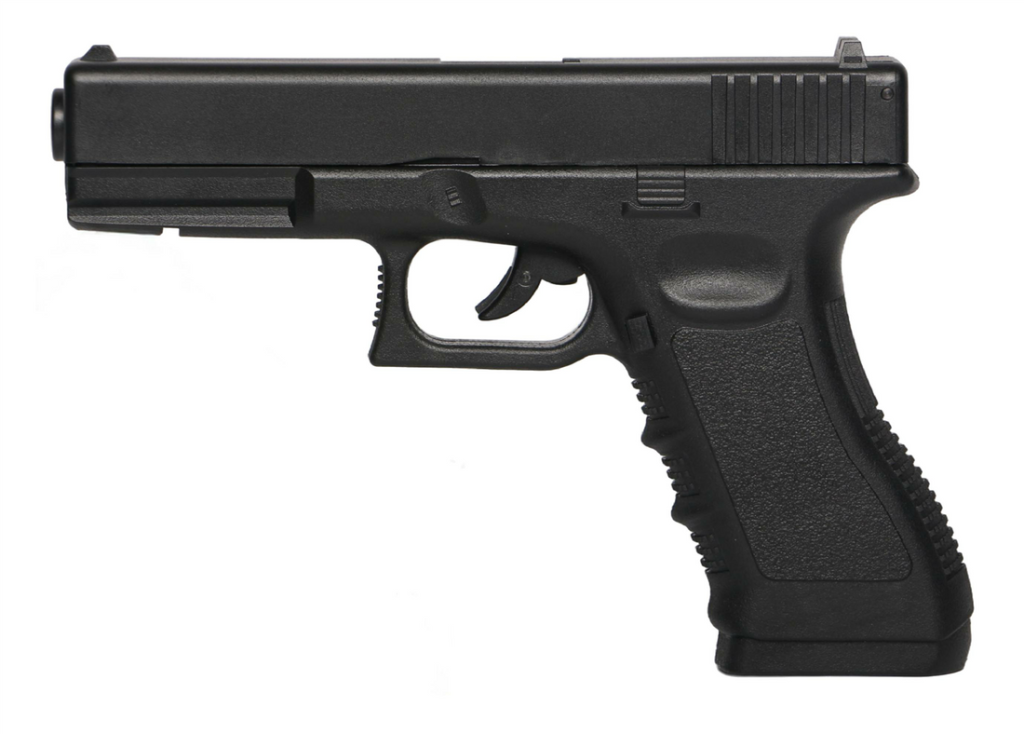
Huntsman H17 High Power CO2 Non Blowback Air Gun Pistol
Full-Metal Blowback Handguns
- Hardware Cost: £110 – £185
- Consumables: A blowback action exhausts a capsule in roughly 35 shots, so you will go through an entire bulk box of 28 capsules along with your choice of quality pellets or match BBs.
- Consumables Total: ~£35 – £45 per thousand rounds.
- The Verdict: Brilliant for realistic handling drills in the garage, though the cost of gas adds up quickly.
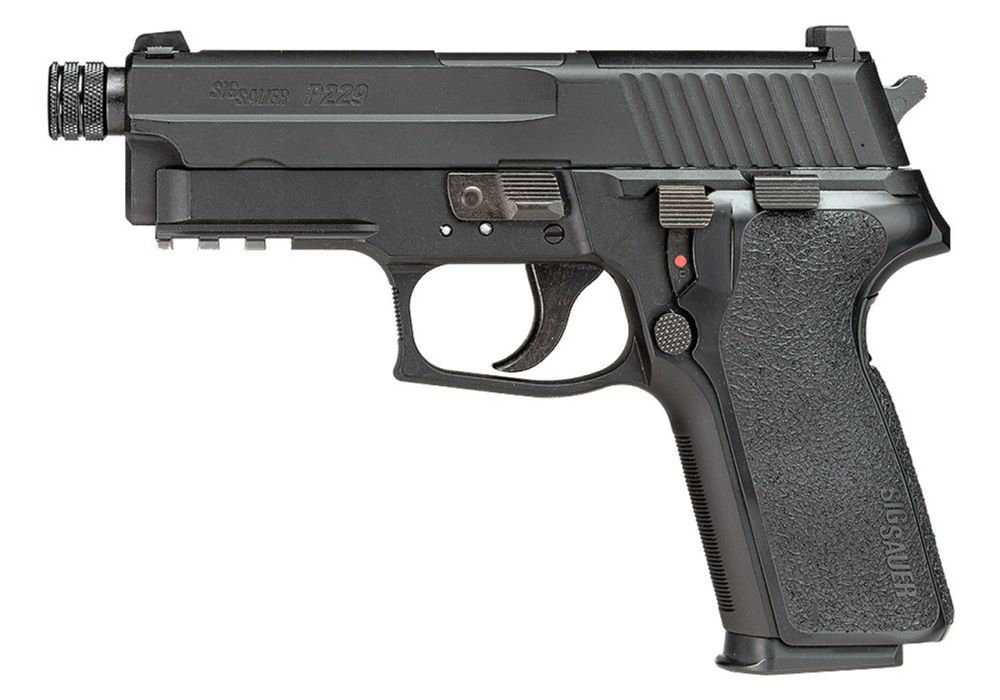
Sig Sauer P229 Co2 Blowback Air Gun Pistol
Pre-Charged Pneumatic (PCP) Match Handguns
- Hardware Cost: £199 – £350
- Consumables: PCP guns do not rely on disposable capsules; you fill their internal air reservoirs using a standard three-stage stirrup pump. Your ongoing costs are purely the tins of lead pellets.
- Consumables Total: ~£16 – £22 per thousand rounds (after the initial £40–£60 pump purchase).
- The Verdict: Higher upfront purchase price, but you get negligible recoil, match accuracy, and dirt-cheap running costs over the life of the gun.
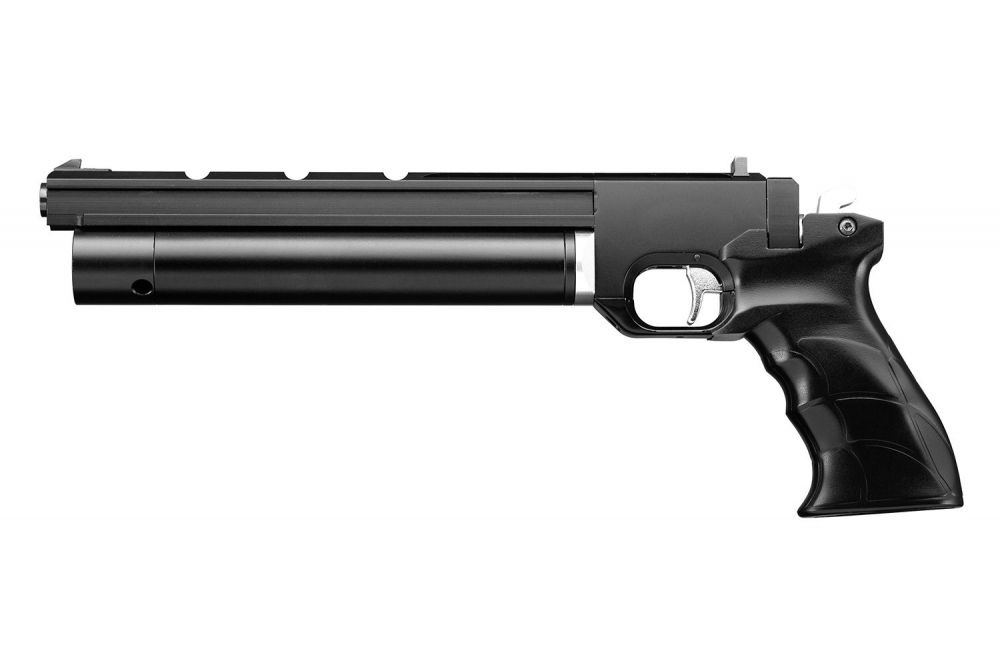
AirmaX PCP Pellet Air Gun Pistol
Maintenance Mistakes That Ruin Air Gun Pistols
The mechanical life of any airgun depends directly on how you treat the internal seals. Three simple mistakes account for almost every leaking pistol that gets returned to a workshop.
- Storing Guns With Pierced CO2CO2 Bulbs: Tightening a fresh capsule forces its neck hard against a polyurethane face seal. Leaving that capsule clamped down over a weekend compresses the seal material until it loses its memory. The next time you screw in a fresh bulb, gas will hiss straight out around the magazine. Always degas the gun and take the capsule out when you pack away.
- Reaching for Firearm Oils and Solvents: Traditional bore cleaners and aerosol lubricants like WD-40 attack synthetic rubber. Spraying petroleum oils into the breach or valve chamber causes internal O-rings to swell, crack, and dissolve. Stick strictly to high-viscosity silicone oils formulated specifically for pneumatic seals.
- Dry-Firing Spring Pistols: Releasing the trigger on a cocked spring-piston gun without a pellet in the chamber leaves the piston with no compressed air cushion to decelerate against. The heavy piston slams directly into the front of the cylinder tube at full velocity, which can snap the mainspring coils or shatter the synthetic piston seal.
- Hesitating on Single-Stroke Cocking Arms: Hesitating or pausing mid-stroke on pneumatic and break-barrel frames can cause the hardened sear to catch prematurely, rounding off the ground engagement edges and creating an unpredictable, dangerous trigger pull. Always follow the cocking stroke cleanly through until the mechanism locks securely into place.
Before picking up your next sidearm, think honestly about how you plan to spend your shooting sessions. If your heart is set on dynamic holster drills, the running costs of a blowback replica are well worth the tactile slide feedback. If you are aiming for cloverleaf groups on ten-metre targets, put your budget into a rifled barrel and a consistent power plant. Match the mechanism to your actual goals on the range, and you will end up with an air gun pistol that keeps you shooting accurately for years.

