
Sub-Total: £0.00
The Marksman’s Manual: Mastering Advanced Air Pistol Stances and Grip Techniques
At Huntsman Sports, we’ve spent over two decades watching shooters progress from their first “plink” in the garden to competing at national levels. While the thrill of hitting a tin can never truly fades, there comes a point where the pursuit of the “tightest group” becomes the primary goal.
As we move into the 2026 outdoor season, achieving that precision isn’t just about having the most expensive PCP pistol in your kit bag; it’s about the foundation of every shot: your shooting stance air pistol and your grip. Even the most regulated air pistol cannot compensate for a shaky platform or a “jerky” trigger pull. In this guide, we’re diving into the technical nuances of advanced air pistol techniques to help you master consistency.
Watch: Professional Stance & Grip Training
The Anatomy of a World-Class Shooting Stance Air Pistol
In the world of air pistols, stability is a game of skeletal support over muscular effort. If you use your muscles to “hold” the gun steady, you will eventually fatigue, leading to tremors and wider groupings. Professional marksmen focus on “locking” their frame rather than gripping with brute strength.
The Modern Isosceles (The Tactical Standard) Face the target squarely, feet shoulder-width apart, and knees slightly flexed. Form an equilateral triangle with your chest and arms. It provides excellent recoil management (crucial for high-power CO2 blowback models) and allows for a natural point of aim.
- Advanced Tip: Lean slightly forward so 60% of your weight is on the balls of your feet. This counteracts the pistol’s weight and keeps you proactive in your stance.
The Weaver Stance (The Precision Platform) Favoured by those who prefer a more compact profile, the Weaver stance involves stepping back with your dominant foot and angling your body at roughly 45 degrees. This creates a stable “tripod” effect with your legs.
- The Push-Pull Dynamic: This is the secret of the Weaver. Your dominant hand pushes forward while your support hand pulls back. This isometric tension locks the pistol into a “vice-like” state, virtually eliminating muzzle wander.
The Olympic One-Handed Stance For pure target excellence, the single-handed stance is the ultimate challenge. Standing nearly 90 degrees to the target, the shooter uses their skeletal structure to support the weight.
- The Support Hand: Never let it dangle. Tuck it firmly into your pocket or hook it onto your belt. This prevents “body sway” and ensures your shoulders remain level.
Grip Mechanics: The 60/40 Rule
Many newcomers to the High Wycombe range make the mistake of “white-knuckling” their air pistol. To improve your advanced air pistol techniques, you must adopt the 60/40 rule. Your non-dominant (support) hand should provide 60% of the gripping force, while your dominant hand provides the remaining 40%.
Why? Because a relaxed shooting hand is a precise one. If your dominant hand is squeezed too tight, the tendons in your trigger finger become stiff, leading to “trigger jerk”—the primary cause of low-left shots for right-handed shooters. By letting the support hand do the heavy lifting, your trigger finger remains isolated and fluid.
High-Tang Engagement
Always grip the pistol as high as possible on the “backstrap” or “tang.” By placing your hand closer to the bore axis (the line of the barrel), you reduce the leverage the pistol has to “flip” upward during a shot. This is vital for consistency with high-velocity CO2 replicas where the slide movement can disrupt your sight picture.
Top 5 Popular Products at Huntsman Sports: April 2026
If you’re looking to apply these advanced air pistol techniques, these five products are currently the “gold standard” among our regulars for reliability and accuracy:
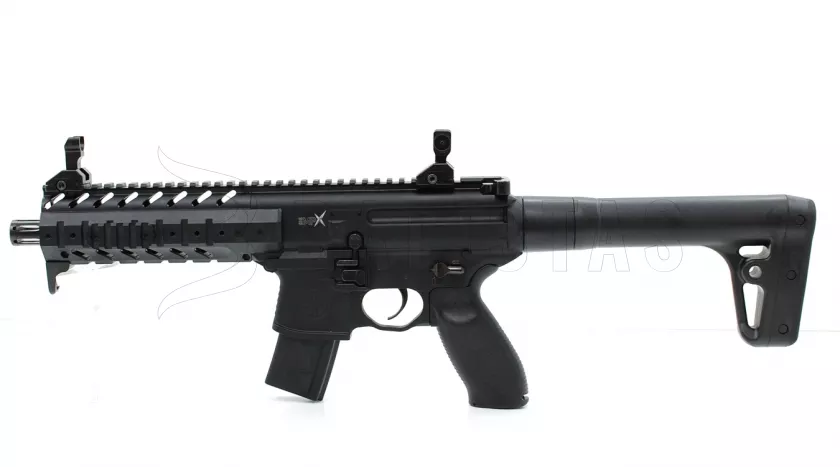
1. Sig Sauer MPX CO2 Air Rifle (4.5mm M-LOK)
The Sig Sauer MPX is a vital tool for shooters mastering the Modern Isosceles stance, offering a unique weight distribution that demands a proactive, forward-leaning posture. Its M-LOK rail system provides a bespoke level of customization for your grip, ensuring you maintain a “natural point of aim” while providing the tactile feedback necessary for high-speed carbine drills. This is the ultimate trainer for those who want their practice to feel authentic and professional.
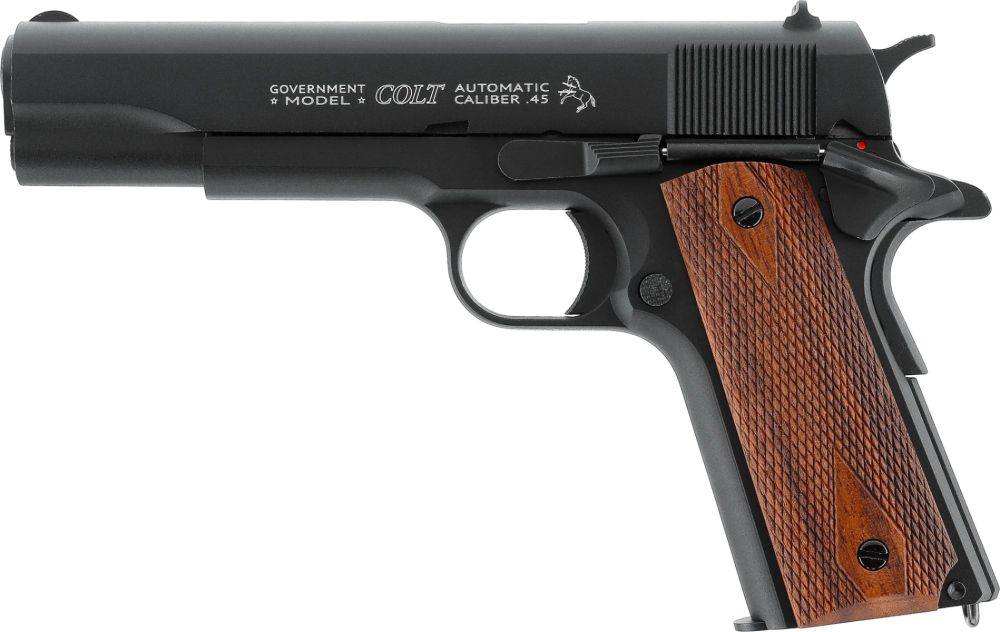
2. Umarex Colt 1911 Classic (Full Metal Blowback)
Perfect for mastering the “push-pull” dynamic of the Weaver stance, the Colt 1911 Classic features a full-metal frame that replicates the heft and feel of a traditional sidearm. The functional beavertail safety naturally guides the shooter into a high-tang engagement, placing the hand closer to the bore axis to minimize muzzle flip. This design encourages superior recoil management and helps maintain a crystal-clear sight picture during rapid-fire sessions.
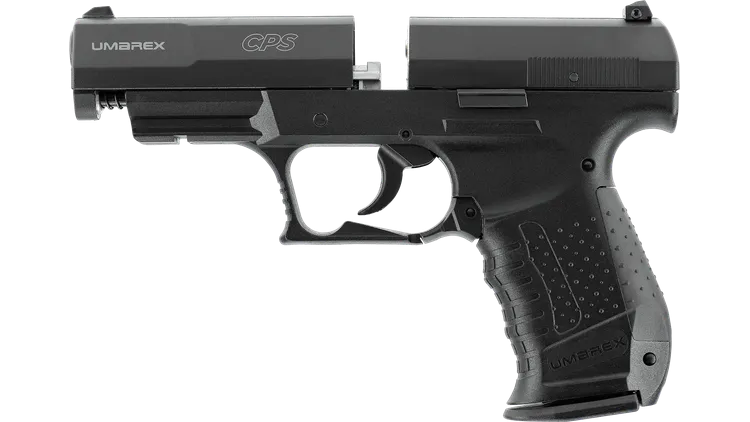
3. Umarex CPS CP Sport (4.5mm Pellet)
The Umarex CPS is an 8-shot repeater engineered for shooters who need to isolate and perfect their “surprise break” and rhythmic trigger control. Because it lacks the distraction of heavy blowback, this pistol creates a stable environment for focusing entirely on sight alignment and consistency. Mastering this platform ensures that your fundamentals are locked in, making your transition back to high-velocity models significantly more controlled.
4. KWC Taurus 24/7 CO2 Non-Blowback Pistol (Metal Slide)
Specifically designed for those practicing the 60/40 grip rule, the KWC Taurus 24/7 is a non-blowback system that removes all mechanical distractions to let you focus on trigger isolation. By eliminating slide movement, it allows shooters to diagnose and fix “trigger jerk” or grip imbalances in real-time. It is the definitive tool for any marksman looking to refine their support-hand pressure and ensure a perfectly relaxed dominant hand.
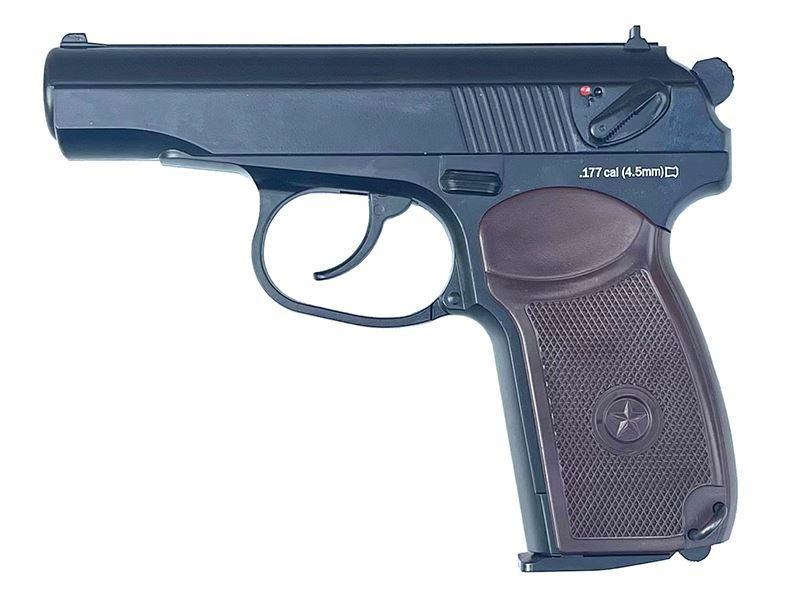
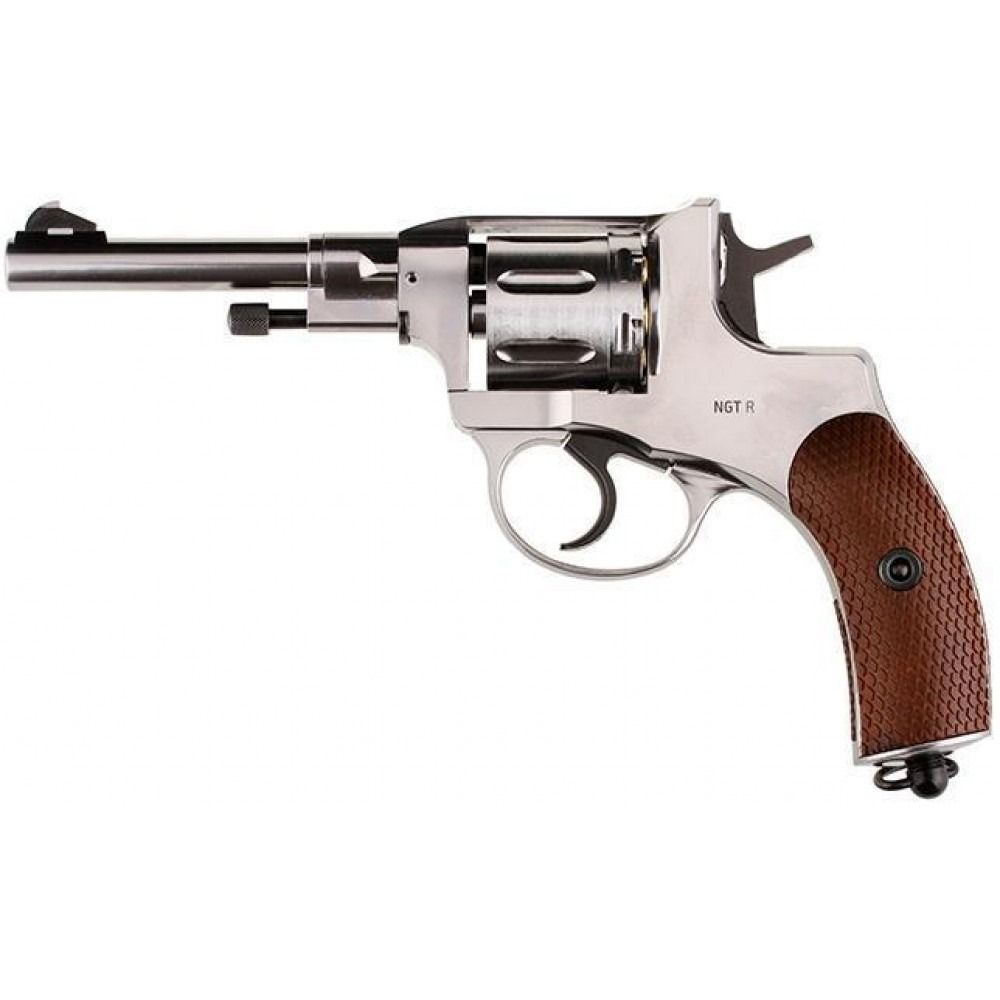
5. Gletcher NGT Nagant CO2 Revolver (4.5mm)
The Gletcher Nagant Revolver is the purist’s choice for perfecting the Olympic One-Handed stance, utilizing its unique balance and historical ergonomics to challenge a shooter’s skeletal stability. Its deliberate trigger pull requires a completely locked frame and steady breathing, highlighting even the smallest body sway or muscle fatigue. It serves as an exceptional training partner for those aiming for national-level precision and total body control.
The “Surprise” Break: Mastering Trigger Control
In the world of advanced air pistol techniques, you should never know exactly when the pistol is going to fire. When you “anticipate” the shot, your body naturally tenses up to brace for movement. This tension happens a fraction of a second before the pellet leaves the barrel, throwing your aim off.
The Technique: Apply slow, steady, rearward pressure on the trigger. Focus entirely on your front sight post. Keep squeezing until the shot breaks. If you find yourself “flinching,” go back to Dry Fire practice—cycling the action without a pellet—to rewire your brain to stay calm.
Sight Alignment vs. Sight Picture
- Sight Alignment: The relationship between the front sight post and the rear sight notch. They must be perfectly level with equal light gaps on either side.
- Sight Picture: The relationship between your aligned sights and the target.
- The Golden Rule: Focus on the front sight post, not the target. The target should be slightly blurry. At 10 metres, a 1mm error at the sights results in a complete miss of the bullseye.
Training for the 2026 Season: The 10-10-10 Drill
We recommend this routine to all our club members to build muscle memory and perfect their shooting stance air pistol:
- 10 Minutes of dry fire practice (focusing on grip and trigger break).
- 10 Shots at a paper target to check your “natural point of aim.”
- 10 Shots at a reactive steel target to build speed and confidence.
Visit the Experts in High Wycombe
Technique is half the battle; the other half is having the right gear that fits your hand and style. At Huntsman Sports, we live and breathe the sport. Whether you need to test the “heft” of a new SIG AIR or want advice on pellet weights, our team is here to help.
Find us at: Sporting House, Boundary Road, Loudwater, High Wycombe, HP10 9PN
Shop the Collection Online: Explore Huntsman Sports Air Pistols

